Spritual
अंग्रेज़ी में पढ़ें आपका पठन
Spritual
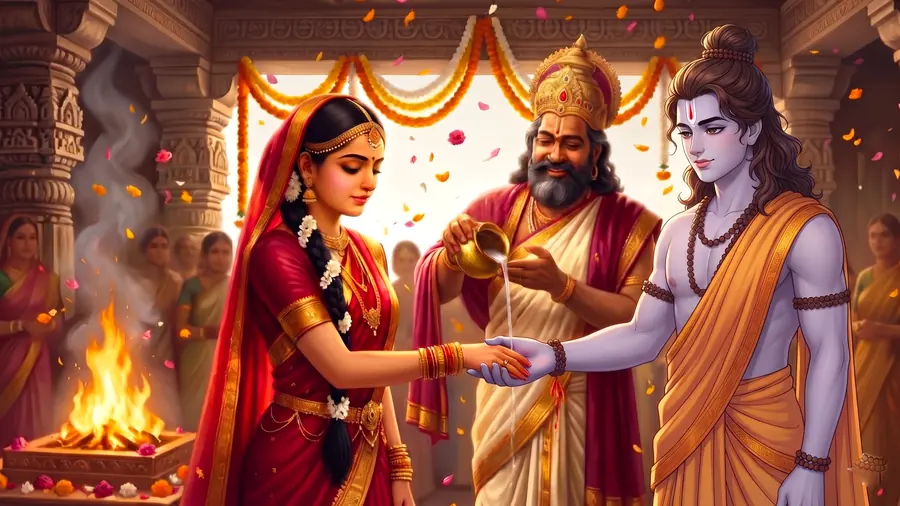
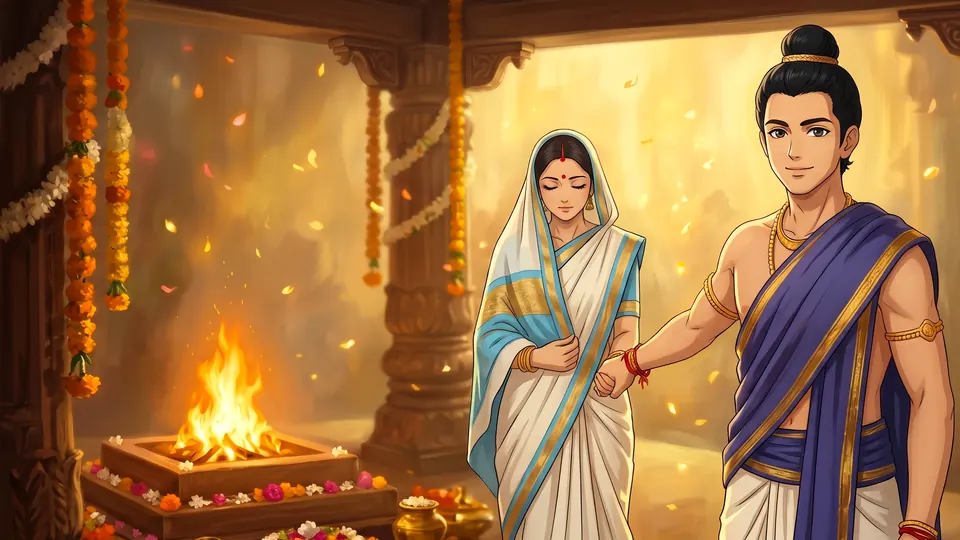
गहरे नीले उत्तरीय में, कलाई पर विवाह-सूत्र बाँधे युवा राजकुमार शत्रुघ्न कोमल मुस्कान के साथ अपनी वधू श्रुतकीर्ति का हाथ थामे विवाह-अग्नि की परिक्रमा कर रहे हैं; मिथिला के मंडप की नक्काशीदार लकड़ी की धरनों और मालाओं से सजे स्तंभों के नीचे सुनहरी रोशनी में पंखुड़ियाँ बरस रही हैं।

रामायण

शत्रुघ्न

Shatrughna

रिपुसूदन · भरतानुगामी

सुमित्रा के पुत्र शत्रुघ्न भरत के लिए वही थे जो लक्ष्मण राम के लिए; दोनों एक-दूसरे को प्राणों से भी प्रिय थे। जिस मंथरा के कारण राम वन गए, वह सामने लाई गई तो शोक और क्रोध में शत्रुघ्न ने उसे धरती पर घसीटा; फिर भरत के कहने पर उसे छोड़ दिया।

आगे पढ़ें

बाद में भरत राक्षस लवण से लड़ने को तैयार हुए तो शत्रुघ्न यह कहकर स्वर्णासन से उठ खड़े हुए कि भरत बहुत कष्ट सह चुके हैं। विष्णु के बाण से लवण का वध कर उन्होंने मथुरा बसाई। तुलसीदास उनके चरण-कमलों में नमन करते हैं: “सूर सुसील भरत अनुगामी।”

  • 2 कथाएँ
  • 18 दृश्य
  • 18 मिनट का पाठ

इस राह पर चलें

शत्रुघ्न की कथाएँ, वाल्मीकि रामायण के क्रम से।

शत्रुघ्न की कथाएँ

रामायणबाल कांड

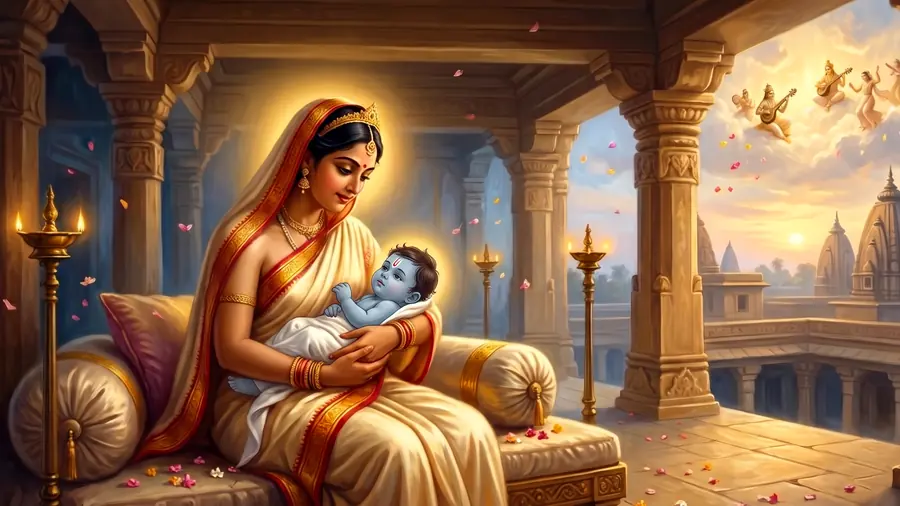
राम जन्म की कथा: अग्नि से निकला स्वर्ण-पात्र

पुत्रहीन राजा महायज्ञ करते हैं। वहाँ जुटे देवताओं को रावण के अंत के लिए एक मनुष्य चाहिए, और विष्णु उसी राजा को अपना पिता चुनते हैं।
  • 9 मिनट
  • आशा
  • भक्ति

रामायणबाल कांड

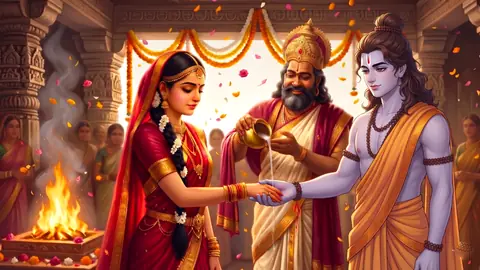
सीता-राम विवाह: चार वधुएँ, एक अग्नि

थके घोड़ों के साथ दूत अयोध्या पहुँचते हैं: राम ने सीता को जीत लिया है। कुछ दिन बाद मिथिला में चार राजकुमार चार हाथ थामते हैं, और आकाश से फूल बरसते हैं।

  • 9 मिनट
  • आदर
  • आतिथ्य

नाम

शत्रुघ्न। इन नामों से भी प्रसिद्ध: रिपुसूदन, भरतानुगामी।

यह कहाँ से लिया गया है

शत्रुघ्न के इस पृष्ठ की हर बात जिन ग्रंथों से मिलाई गई, वे नीचे हैं। हर बात का पूरा नोट अंग्रेज़ी में है।
संदर्भ देखें (11)
  1. कथा “सीता-राम विवाह” के स्रोत
  2. Tulsidas, Ramcharitmanas, Bal Kand, chaupais before doha 17 (IITK RCM 1.17)
  3. वाल्मीकि रामायण, अयोध्याकांड, सर्ग 8, श्लोक 6 और 29
  4. वाल्मीकि रामायण, अयोध्याकांड, सर्ग 78, श्लोक 5-12, 16, 21-24 (doorkeeper 8, dragging 16, release 24)
  5. वाल्मीकि रामायण, उत्तरकांड, अध्याय LXXVI, अनु. एम. एन. दत्त (कलकत्ता, 1894), पृ. 1763-1764 (Dutt’s section numbers differ from other editions)
  6. वाल्मीकि रामायण, उत्तरकांड, अध्याय LXXVII और LXXXII, अनु. एम. एन. दत्त (कलकत्ता, 1894), पृ. 1766-1767, 1780
  7. वाल्मीकि रामायण, उत्तरकांड, अध्याय LXXVI, LXXXIII और CXXI, अनु. एम. एन. दत्त (कलकत्ता, 1894), पृ. 1764, 1781-1782, 1927
हर बात का पूरा नोट (अंग्रेज़ी में)
  1. Born to Sumitra together with Lakshmana: Bala Kanda 1.18.14. Named by Vasishtha: 1.18.21-22. Lakshmana’s younger brother (lakṣmaṇāvaraja), dearer than life to Bharata and Bharata to him, set beside Lakshmana’s devotion to Rama: 1.18.28-33. कथा “सीता-राम विवाह” के स्रोत
  2. Called wise (dhīmat) by Vishvamitra when Kushadhvaja’s daughters are asked for Bharata and Shatrughna: 1.72.5-6; Janaka agrees: 1.72.11. कथा “सीता-राम विवाह” के स्रोत
  3. Takes Shrutakirti’s hand at Janaka’s word; circles the fire three times with his brothers: 1.73.32-39. कथा “सीता-राम विवाह” के स्रोत
  4. Goes with Bharata to the home of Bharata’s maternal grandfather (with Yudhajit): 1.77.17-19. कथा “सीता-राम विवाह” के स्रोत
  5. “Sumitranandana” (son of Sumitra) and “Lakshmananuja” (Lakshmana’s younger brother) are plain descriptive compounds resting on 1.18.14 and 1.18.32, not quoted epithets. कथा “सीता-राम विवाह” के स्रोत
  6. Tulsidas bows to Shatrughna by the name Ripusudana and calls him brave, gentle, follower of Bharata (रिपुसूदन पद कमल नमामी। सूर सुसील भरत अनुगामी॥). Source for the title ‘Ripusudana · Bharatanugami’ (रिपुसूदन · भरतानुगामी; the second is the compound of Tulsidas’s ‘भरत अनुगामी’). Tulsidas, Ramcharitmanas, Bal Kand, chaupais before doha 17 (IITK RCM 1.17)
  7. As Lakshmana went with Rama, so Shatrughna went with Bharata, drawn to him (lakṣmaṇo hi yathā rāmaṃ tathāsau bharataṃ gataḥ). Spoken by Manthara (also at 2.8.6: Shatrughna is as faithful to Bharata as Lakshmana to Rama); it repeats the narrator’s own comparison at Bala Kanda 1.18.28-33. Source for the line ‘was to Bharata what Lakshmana was to Rama’. Valmiki Ramayana, Ayodhya Kanda, Sarga 8, verses 6 and 29
  8. The doorkeeper seizes Manthara (Sanskrit 2.78.8 singular dvāḥstho … nyavedayat; the translation says door-keepers), adorned in royal clothes and ornaments, and hands her to Shatrughna as the woman by whose act Rama is in the forest and their father dead; in deep grief and red-eyed rage he drags her, crying, along the floor; Bharata tells him women are not to be killed and that Rama would not speak to them if she were; Shatrughna turns from his anger and releases her. Source for the sentence about Manthara: the retelling says only that she was brought to him, and does not name the doorkeeper. Valmiki Ramayana, Ayodhya Kanda, Sarga 78, verses 5-12, 16, 21-24 (doorkeeper 8, dragging 16, release 24)
  9. Rama asks whether Bharata or Shatrughna shall slay the rakshasa Lavana; Bharata says “I will slay him”; Shatrughna rises, leaving his golden seat, and says Bharata has already done a great work, governing Ayodhya without Rama, sleeping on a bed of sorrow, living on fruits and roots and wearing rags, and should not suffer more. Source for the line “Shatrughna rose from his golden seat: Bharata had suffered enough”. Dutt calls Lavana a Rakshasa and night-ranger (pp. 1763, 1780-1781) and his father Madhu an Asura; hence “the rakshasa” in the retelling. Valmiki Ramayana, Uttara Kanda, Section LXXVI, tr. M. N. Dutt (Calcutta, 1894), pp. 1763-1764 (Dutt’s section numbers differ from other editions)
  10. Rama gives him the unfailing arrow that Vishnu made to slay Madhu and Kaitabha; Brahma tells the gods it was made by Vishnu; with it Shatrughna pierces Lavana’s heart and Lavana falls. Source for the line ‘With Vishnu’s arrow he slew Lavana’. Valmiki Ramayana, Uttara Kanda, Sections LXXVII and LXXXII, tr. M. N. Dutt (Calcutta, 1894), pp. 1766-1767, 1780
  11. Rama tells him he is able to found a city on the Yamuna; after slaying Lavana he asks the gods for Madhu’s city as his capital, and in twelve years the city on the Yamuna is reared and filled with people; at the end his son Subahu is placed on the throne of Mathura. Source for ‘founded Mathura’ (Hindi ‘मथुरा बसाई’). Valmiki Ramayana, Uttara Kanda, Sections LXXVI, LXXXIII and CXXI, tr. M. N. Dutt (Calcutta, 1894), pp. 1764, 1781-1782, 1927
इन स्रोतों के बारे में
  • His later deeds in the Uttara Kanda (Lavana, Mathura) are not told in this story and are not claimed.

पढ़ने की सुविधा

अक्षर आकार
रंग

रात का दीपक जलने तक रंग का चुनाव रुका है।

गति

हल्का मोड: ठहरे हुए चित्र, बहुत धीमा सरकाव, गहराई का प्रभाव नहीं। पुराने फ़ोन और बैटरी पर हल्का।

रात का दीपक

गहरे रंग पर गर्म अंबर अक्षर। चित्र धीरे-धीरे बदलते हैं और स्थिर रहते हैं।

राम ने गुरु से अस्त्रों को वापस लेने का ज्ञान माँगा।

इस डिवाइस पर सहेजा गया।